West Side: A Contemporary Script Font for Elegant Design Workflows
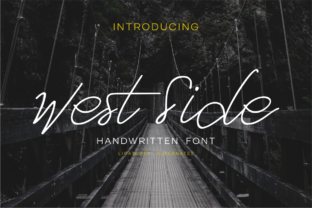
West Side is a modern, handwritten script font that brings a touch of sophistication and personality to any design project. Its clean lines and fluid curves make it ideal for both digital and print applications, offering a versatile solution for professionals and creatives alike. Whether you're working on branding materials, editorial layouts, or personal projects, West Side can enhance your visual storytelling with its unique character.
As part of a broader design process, West Side fits seamlessly into workflows that prioritize aesthetics, readability, and consistency. It works well in conjunction with other typefaces, especially serif fonts, to create balanced and visually appealing compositions. Understanding how to integrate West Side into your existing tools and methods can help you achieve more polished results while maintaining efficiency.
Understanding West Side in the Context of Design Processes
When considering the role of West Side in your workflow, it's important to think about where and how it will be used. This font is particularly effective in projects that require a personal or artisanal feel, such as invitations, logos, packaging, and social media graphics. Its handwritten style adds a human touch, making it a popular choice for brands that want to convey authenticity and creativity.
Before starting a project, you might choose West Side to set the tone or mood. For example, if you're designing a wedding invitation, using West Side can evoke a sense of elegance and warmth. During the design phase, you can experiment with different sizes, weights, and spacing to find the best fit for your layout. After the project is complete, West Side can contribute to a cohesive visual identity that aligns with your brand’s overall aesthetic.
Integrating West Side into Your Workflow
One of the key benefits of West Side is its compatibility with various design platforms and software. Whether you're using Adobe Photoshop, Illustrator, or InDesign, this font is easy to install and apply. It also works well in online tools like Canva, allowing you to quickly test its appearance in different contexts.
To get the most out of West Side, consider how it interacts with other elements in your design. Pairing it with a serif typeface, such as Georgia or Times New Roman, can create a harmonious contrast that enhances readability. If you're working on a multi-page document, using West Side for headings or captions can add visual interest without overwhelming the reader.
For those who work with multiple fonts, it's essential to maintain consistency. West Side should complement, not compete with, other typefaces in your design. This means choosing fonts that share similar characteristics, such as x-height, stroke contrast, and overall weight. By doing so, you ensure that your final output looks professional and well-organized.
Practical Tips for Using West Side Effectively
When using West Side in your projects, keep the following tips in mind:
- Test different sizes and styles: Experiment with varying font sizes and weights to see how West Side performs in different contexts. Smaller sizes may appear less legible, so it's best to use it for headlines or short phrases rather than long blocks of text.
- Use it sparingly: Due to its distinctive style, West Side can easily become overwhelming if overused. Limit its application to key areas of your design to maintain clarity and focus.
- Pair it with complementary fonts: As mentioned earlier, pairing West Side with serif or sans-serif fonts can improve readability and visual balance. Avoid using it alongside overly decorative or complex typefaces that may clash.
- Consider the medium: West Side looks great in print, but its appearance may vary slightly when used digitally. Always preview your designs in both formats to ensure they meet your expectations.
By following these guidelines, you can ensure that West Side enhances your work without detracting from its overall quality or usability.
West Side in Real-World Applications
Let’s explore a few real-world scenarios where West Side can be particularly useful:
- Branding and Logos: West Side is an excellent choice for creating custom logos that reflect a brand’s personality. Its elegant style can convey professionalism, creativity, or nostalgia, depending on how it's applied.
- Editorial Projects: In magazines, newsletters, or blogs, West Side can be used for pull quotes, headings, or captions. Its handwritten look adds a dynamic element that draws readers in and keeps them engaged.
- Social Media Graphics: With the rise of visual content, West Side can help you create eye-catching posts that stand out on platforms like Instagram or Facebook. Its versatility makes it suitable for everything from promotional banners to profile pictures.
- Personal Projects: Whether you're designing a resume, a portfolio, or a DIY project, West Side can add a unique flair that sets your work apart. It’s a great way to express individuality while maintaining a polished appearance.
These examples demonstrate how West Side can be adapted to different needs and environments, making it a valuable addition to any designer’s toolkit.
Long-Term Use and Maintenance
When incorporating West Side into your long-term workflow, it's important to consider factors like file management, version control, and updates. Ensure that you have access to the font files and that they are stored in a consistent location across your devices. This helps prevent issues that may arise from missing or corrupted files.
Additionally, stay informed about any updates or improvements to the font. Some typefaces receive regular updates that enhance their performance or expand their features. Keeping your fonts up to date ensures that you’re always using the best possible version for your projects.
Finally, remember that the success of any design project depends on more than just the font you choose. West Side is a powerful tool, but it should be used in conjunction with other design principles, such as color theory, composition, and typography hierarchy. By combining these elements effectively, you can create designs that are both beautiful and functional.