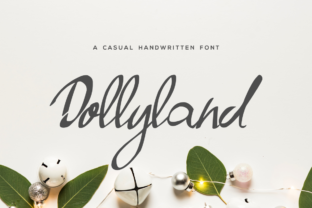
Woodpecker: A Modern Handwritten Font for Elegant Design
Woodpecker is a modern, thin calligraphy font that brings a touch of personality and refinement to any design. Its elegant strokes and flowing lines make it ideal for projects that require a balance of sophistication and creativity. Whether you're working on a logo, a social media graphic, or a print piece, Woodpecker offers a unique visual identity that stands out.
This font was crafted through handwriting, giving it a natural, organic feel that feels more personal than many digital typefaces. The result is a font that feels both contemporary and timeless, with a distinct appeal that can elevate your creative work.
What Makes Woodpecker Stand Out?
Woodpecker’s visual characteristics are what set it apart from other fonts. Its thin strokes and subtle flourishes create a sense of lightness and grace, making it perfect for designs that need a refined aesthetic. The font has a clear personality—clean yet expressive, modern yet rooted in traditional calligraphy techniques.
Its style is best described as a handwritten script with a modern twist. Unlike some script fonts that can be difficult to read at smaller sizes, Woodpecker maintains legibility while still offering a distinctive look. This makes it a versatile choice for both display and body text, depending on the context.
The font’s appeal lies in its ability to blend elegance with approachability. It works well in branding, editorial design, and packaging, where a human touch can make a big difference. Its personality is subtle enough for professional use but expressive enough to add character to creative projects.
Where Does Woodpecker Shine?
Woodpecker is particularly effective in projects that benefit from a personal, artisanal feel. For designers, it’s a great choice for logo design, especially for brands that want to convey creativity, craftsmanship, or authenticity. Its thin strokes and fluid lines can help create a clean, modern look that still feels handcrafted.
In marketing and publishing, Woodpecker can be used to add visual interest to headlines, captions, or promotional materials. It pairs well with simpler typefaces, allowing it to stand out without overwhelming the design. For example, pairing it with a sans-serif font like Helvetica or Roboto can create a balanced, professional look that’s easy on the eyes.
On the web, Woodpecker can enhance social media graphics, email newsletters, or website headers. Its readability at larger sizes makes it suitable for headings, while its style adds a touch of personality that can engage audiences. When used thoughtfully, it can help differentiate a brand’s visual identity in a crowded digital space.
In print, Woodpecker excels in packaging design, invitations, and editorial layouts. Its hand-drawn quality gives it a warm, inviting feel that can resonate with consumers looking for something unique. It’s also a strong choice for small businesses or independent creators who want to establish a consistent, memorable brand presence.
How Woodpecker Influences Design and Branding
Choosing the right font can have a significant impact on how a design is perceived. Woodpecker, with its delicate strokes and expressive character, can influence visual hierarchy by drawing attention to key elements without being distracting. Its thin weight allows it to sit well alongside bolder fonts, making it a valuable tool for creating contrast and depth in a layout.
From a branding perspective, Woodpecker can help reinforce a brand’s identity. Its personality aligns well with brands that want to project creativity, innovation, or a connection to the handmade. It can also contribute to a sense of professionalism when used appropriately, especially in industries like fashion, food, or lifestyle branding.
Consistency is key in design, and Woodpecker’s uniform stroke weight and structured letterforms make it easy to use across different mediums. Whether it’s on a business card, a website, or a social media post, it maintains a cohesive look that strengthens brand recognition.
Practical Tips for Using Woodpecker
When considering Woodpecker for a project, start by evaluating the purpose and audience. If the goal is to create a sense of warmth or individuality, this font can be an excellent fit. However, if the design requires high readability at small sizes, it may not be the best choice for body text.
Testing font pairings is essential. Woodpecker works well with both serif and sans-serif fonts, but it’s important to find a combination that complements its style without clashing. For example, pairing it with a classic serif like Georgia or a clean sans-serif like Open Sans can create a harmonious, professional look.
Reviewing the font’s available styles is also important. Woodpecker may come in multiple weights or variations, such as bold, italic, or alternate characters. These options can expand its usability and allow for greater flexibility in design projects.
Finally, consider the licensing terms. If the font will be used commercially, make sure it includes the necessary rights for your intended use. Many premium fonts offer different licenses for personal and commercial projects, so it’s worth checking the details before incorporating Woodpecker into a brand or product.
Real-World Applications of Woodpecker
One practical application of Woodpecker is in packaging design for boutique products. A small business selling handmade candles or skincare items could use it on labels or packaging to convey a sense of care and artistry. The font’s elegance helps position the product as high-quality and thoughtful.
In editorial design, Woodpecker can be used for article titles or section headers. Its visual appeal adds a layer of sophistication to magazines, blogs, or newsletters, making the content more engaging for readers. It can also be used in book covers or chapter headings to create a polished, professional look.
For social media, Woodpecker is great for creating eye-catching posts or profile banners. Its stylish appearance can help a brand stand out in a feed full of generic designs. When paired with bold colors or simple backgrounds, it can create a striking visual that resonates with the target audience.
Overall, Woodpecker is a versatile font that can enhance a wide range of design projects. Its unique blend of modern and traditional elements makes it a valuable addition to any designer’s toolkit, whether they’re working on a personal passion project or a commercial brand. With careful consideration and thoughtful application, it can bring a fresh, elegant touch to any creative endeavor.