Dollyland: A Handwritten Font for Authentic, Dynamic Design
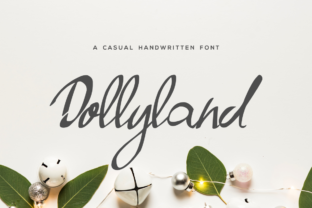
Dollyland is a unique handwritten font that brings a sense of warmth and personality to any design project. Its fluid strokes and natural imperfections make it ideal for modern designs that require an authentic, human touch. Whether you're working on branding, marketing materials, or personal projects, Dollyland can add a fresh, energetic vibe that stands out from more rigid typefaces.
As a designer or creator, understanding where and how to use Dollyland can significantly enhance your workflow. It’s not just a font—it's a tool that can influence the tone, mood, and overall feel of your work. Integrating it into your process requires careful consideration of context, purpose, and compatibility with other design elements.
Understanding Dollyland in the Design Process
Dollyland fits naturally into various stages of the design process, from initial concept to final execution. Before starting a project, it can serve as inspiration for visual direction. During development, it can be used to create mockups, headlines, or callouts that convey a specific aesthetic. After the project is complete, it can help maintain consistency across different media and formats.
For example, when designing a brand identity, Dollyland might be used in the logo or tagline to establish a friendly, approachable tone. In a marketing campaign, it could appear in social media posts, banners, or email templates to create visual interest and a cohesive look. Its versatility allows it to adapt to different mediums while maintaining its core character.
Using Dollyland in Real-World Workflows
Integrating Dollyland into your workflow involves more than just selecting the font. It requires planning, experimentation, and refinement. Start by identifying where it will have the most impact. Is it for a headline? A signature? A background element? Each use case may require adjustments in size, spacing, or color to ensure readability and visual harmony.
When working with a team, communicate clearly about how Dollyland should be applied. Provide guidelines for font size, line height, and color contrast to maintain consistency. If using digital tools like Adobe Creative Suite or Figma, make sure the font is properly embedded or licensed for all platforms and file types.
For independent creators or small businesses, Dollyland can be a cost-effective way to elevate their visual output without needing advanced design skills. It works well with other fonts, allowing for layered typography that adds depth and dimension to layouts.
Compatibility and Practical Considerations
Before fully committing to Dollyland, consider its compatibility with your existing design assets. Does it pair well with other fonts in your library? Will it render consistently across different devices and platforms? Testing is essential—preview the font in various contexts to ensure it meets your quality standards.
Usability is another key factor. While Dollyland’s organic style is appealing, it may not be suitable for large blocks of text. Use it strategically for headings, titles, or short phrases where its personality can shine. Avoid overuse, as this can reduce its effectiveness and lead to visual clutter.
When working on long-term projects, keep track of how Dollyland performs over time. Monitor feedback from users or clients, and be open to adjusting its application based on real-world results. This helps maintain high-quality outcomes and ensures the font continues to serve its intended purpose.
Enhancing Workflow with Dollyland
For professionals in fields like marketing, education, or content creation, Dollyland can streamline certain aspects of their workflow. It offers a quick way to add a personal or creative flair without the need for complex design software. This makes it particularly useful for freelancers or small teams looking to produce polished work efficiently.
Consider using Dollyland in conjunction with other design tools. For instance, pair it with a clean sans-serif font for body text to balance its expressive nature. Or combine it with illustrations or icons to create a more engaging visual narrative. The key is to use it in a way that enhances, rather than overwhelms, the overall composition.
For educators or trainers, Dollyland can be a helpful tool for creating visually appealing presentations or handouts. Its dynamic energy can capture attention and make learning materials more engaging. Just be mindful of legibility, especially in larger formats or when printed.
Long-Term Use and Maintenance
When using Dollyland in ongoing projects, regular maintenance is important. Ensure that the font remains accessible and up-to-date, especially if working with digital assets or client files. Keep backups of your design files and document how the font was used, so future edits or revisions can be made smoothly.
Also, consider the licensing terms of Dollyland. Make sure you have the proper rights to use it in both personal and commercial contexts. This avoids potential legal issues and ensures that your work remains compliant with industry standards.
Finally, stay open to evolving trends and new design practices. While Dollyland has a timeless appeal, its relevance may shift over time. Continuously assess its role in your workflow and be willing to adapt as needed.
Conclusion: Embracing Dollyland in Your Design Practice
Dollyland is more than just a font—it's a versatile tool that can bring authenticity and energy to your design work. By understanding its strengths and limitations, you can integrate it effectively into your workflow, whether you're working on a solo project or collaborating with a team.
From initial planning to final execution, Dollyland can enhance your creative process and help you achieve a more personalized, dynamic outcome. With thoughtful implementation and consistent use, it can become a valuable asset in your design toolkit.