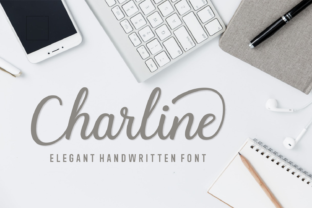
Charline: A Versatile Script Font for Creative Workflows
Charline is a beautiful, classical script font that offers a wide range of swashes and stylistic options, making it ideal for creating unique typographic designs. Whether you're working on print or web projects, Charline can enhance your visual communication with its elegant and expressive style. Its adaptability makes it a valuable tool in various creative processes, from branding to editorial design.
Understanding how to integrate Charline into your workflow can significantly improve the quality and consistency of your output. This article explores practical ways to use Charline in different stages of a project, along with tips for maximizing its potential.
What Is Charline and How Does It Fit Into Your Process?
Charline is more than just a font—it's a design element that can elevate the aesthetics of any project. Its fluid strokes and ornate details make it suitable for headings, logos, invitations, and other typographic elements where a personal or artistic touch is needed. Unlike more rigid fonts, Charline allows for a sense of movement and elegance, which can add depth to your work.
In a broader process, Charline fits naturally into the planning and execution phases of design projects. It’s often used during the concept stage to visualize how text will look in a final layout. Designers may also choose to apply it during the refinement phase to add a finishing touch that aligns with the overall aesthetic.
Using Charline in Different Project Stages
The versatility of Charline means it can be used at multiple points in a project lifecycle. For example, before starting a design, you might experiment with Charline to determine if it complements the intended tone or mood. During the development phase, it can be applied to key elements like headlines or captions to maintain visual consistency. After the project is complete, Charline can be used in promotional materials or follow-up content to reinforce brand identity.
For instance, a marketing team working on a campaign might start by selecting Charline for its header text to set a sophisticated tone. As the campaign progresses, they could use it for social media posts or email newsletters to ensure a cohesive look across all platforms.
Integrating Charline With Other Tools and Resources
Charline works well with other design tools and resources, such as graphic editors, typography software, and content management systems. When paired with programs like Adobe Photoshop, Illustrator, or InDesign, it can be easily incorporated into layouts, illustrations, or digital assets. Many designers also use it alongside other fonts to create contrast and balance in their compositions.
Additionally, Charline is compatible with web platforms that support custom fonts, such as WordPress, Shopify, and other content management systems. This compatibility ensures that it can be used effectively in both print and digital formats without compromising quality or performance.
Practical Tips for Implementing Charline
To get the most out of Charline, consider the following implementation tips:
- Experiment with different weights and styles: Charline offers multiple variations, so try them out to see which best suits your needs.
- Use it selectively: While Charline is visually striking, it’s best used in moderation to avoid overwhelming the reader.
- Test in different contexts: Preview Charline in various settings—such as on a website, in a brochure, or on social media—to ensure it looks good in all environments.
- Combine with complementary fonts: Pair Charline with sans-serif or serif fonts to create a balanced and professional appearance.
- Ensure readability: Always check that text using Charline remains legible, especially in smaller sizes or when used in long paragraphs.
Workflow Examples and Use Cases
Here are a few examples of how Charline can be integrated into real-world workflows:
- Brand Identity Projects: A designer creating a logo for a boutique might use Charline for the main text to convey a classic and refined feel. They could then apply it consistently across business cards, packaging, and online profiles to build a cohesive brand image.
- Editorial Design: A magazine editor looking to add a unique touch to a feature article might use Charline for the headline. This can draw attention to the piece while maintaining an elegant and professional tone.
- Marketing Campaigns: A small business owner launching a new product could use Charline in their email newsletter or social media posts to create a memorable and visually appealing message.
- Personal Projects: A blogger or content creator might use Charline for their website’s title or section headers to add a personal and artistic flair to their content.
Factors to Consider for Long-Term Use
When using Charline over an extended period, several factors should be considered to maintain efficiency and quality:
- Consistency: Ensure that Charline is used in a way that aligns with your overall design language and brand guidelines.
- Compatibility: Regularly check that Charline works seamlessly with new software updates, platforms, or devices.
- Organization: Keep track of where and how Charline is used to avoid duplication or inconsistencies in your work.
- Efficiency: Streamline the process of applying Charline to reduce time spent on repetitive tasks.
- Quality Control: Review all materials that include Charline to ensure they meet your standards for clarity and visual appeal.
Conclusion: Enhancing Your Workflow With Charline
Charline is a powerful tool that can enhance the visual appeal and professionalism of your work. By understanding how to integrate it into your workflow, you can leverage its unique characteristics to create more engaging and polished designs. Whether you're working on a large-scale project or a personal endeavor, Charline offers flexibility and elegance that can elevate your output. With careful planning and thoughtful application, this font can become a valuable asset in your creative toolkit.