Storybrooke Script: A Playful and Versatile Font for Creative Projects
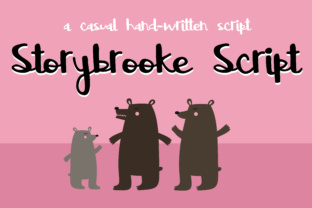
Storybrooke Script is a unique typeface that brings a whimsical, handcrafted feel to any design. Designed as the sister font to Storybrooke, it shares the same playful aesthetic but offers a slightly different character set and style. Both fonts are ideal for projects that benefit from a personal, artistic touch, making them popular choices among designers, illustrators, and creative professionals.
What Makes Storybrooke Script Unique?
Storybrooke Script stands out due to its organic, handwritten appearance. Unlike more rigid or geometric fonts, this typeface mimics the natural flow of pen and ink, giving text a sense of authenticity and charm. The font includes a range of stylistic alternates, allowing users to customize the look based on their needs. This flexibility makes it suitable for both casual and formal applications.
The script style of Storybrooke Script is particularly effective for branding, invitations, logos, and other visual elements where a personal touch is desired. Its flowing lines and subtle variations in stroke weight add depth and character, making it more engaging than many standard script fonts.
How Storybrooke Script Compares to Similar Fonts
When considering alternatives to Storybrooke Script, it's important to evaluate how it stacks up against other script and decorative fonts. While there are many options available, Storybrooke Script offers a balance between readability and visual appeal that sets it apart.
Fonts like Brush Script or Lobster may have a similar casual feel, but they often lack the refined structure and consistency found in Storybrooke Script. These alternatives can be more difficult to read at smaller sizes or in long-form text, limiting their usability in certain contexts.
On the other hand, some more traditional script fonts may prioritize legibility over personality. While these can be excellent for formal designs, they may not provide the same level of creativity and flair that Storybrooke Script delivers. This makes it a strong choice for projects that aim to stand out visually.
Best Use Cases for Storybrooke Script
Storybrooke Script excels in situations where a personal, artistic tone is needed. It’s commonly used in wedding invitations, greeting cards, and branding materials for small businesses or creative ventures. The font’s versatility allows it to work well in both digital and print formats, making it a valuable addition to any designer’s toolkit.
For example, a boutique coffee shop looking to create a warm, inviting brand identity might choose Storybrooke Script for its logo and marketing materials. The font’s friendly, approachable style aligns with the business’s image and helps establish a connection with customers.
In digital design, Storybrooke Script can be used for website headers, social media graphics, or app interfaces that require a more humanized feel. Its ability to blend with other fonts also makes it useful in multi-font layouts, where it can serve as a highlight or accent element.
Strengths and Tradeoffs of Storybrooke Script
One of the main strengths of Storybrooke Script is its ability to convey emotion and personality through typography. Its handcrafted look can evoke feelings of nostalgia, creativity, or warmth, depending on how it’s used. This emotional resonance can be powerful in branding and storytelling.
Another advantage is its compatibility with other fonts. As the sister font to Storybrooke, it pairs well with its counterpart and other typefaces that share a similar aesthetic. This makes it easier to create cohesive designs without clashing elements.
However, there are some tradeoffs to consider. Because of its script style, Storybrooke Script may not be the best choice for large blocks of text. At smaller sizes or in dense paragraphs, the font can become difficult to read, which limits its use in body text or long documents.
Additionally, while the font offers a variety of stylistic options, it may require more time and effort to fine-tune compared to simpler typefaces. Users who are unfamiliar with advanced typographic features might find it challenging to achieve the desired effect without additional tools or knowledge.
When to Choose Storybrooke Script vs. Alternatives
Determining whether Storybrooke Script is the right choice depends on the specific needs of a project. If the goal is to add a personal, artistic element to a design, then this font is an excellent option. It works especially well when paired with more structured fonts to create contrast and visual interest.
For instance, a designer working on a children’s book might use Storybrooke Script for chapter titles and headings, while using a sans-serif font for the main text. This combination enhances readability while maintaining a playful tone throughout the book.
On the other hand, if the primary focus is on clarity and functionality, a more straightforward font might be more appropriate. In such cases, alternatives like Montserrat or Open Sans could offer better readability without sacrificing style.
It’s also worth considering the target audience when choosing a font. For a professional or corporate setting, a more polished and neutral typeface might be preferable. However, for creative or lifestyle brands, Storybrooke Script can help reinforce a brand’s identity and values.
Practical Tips for Using Storybrooke Script
To get the most out of Storybrooke Script, it’s helpful to experiment with different weights and styles. Many versions of the font include multiple variants, such as regular, bold, and italic, which can be used to emphasize key points or add visual hierarchy.
Another tip is to pair the font with complementary typefaces. For example, combining it with a clean, modern sans-serif can create a balanced and professional look. This approach is particularly useful in web design, where readability and aesthetics must coexist.
Finally, always test the font in the intended context. Whether it’s for print, digital media, or a mixed-use project, seeing how the font performs in real-world scenarios can help identify potential issues and ensure the final result meets expectations.