Embracing Ectomorph: A Handwritten Script for Modern Design
In the ever-evolving world of design, typography plays a crucial role in shaping visual identity and communication. Among the many fonts available, Ectomorph has emerged as a standout choice for those seeking a blend of elegance, versatility, and personality. This handwritten script font is more than just a stylistic option—it’s a powerful tool that can elevate your creative projects and align with contemporary design trends.
Designed with a natural flow and a casual yet refined aesthetic, Ectomorph offers a unique approach to typography that resonates with both professionals and creatives. Its combination of stylistic alternates, swash variations, titling options, and multilingual support makes it an ideal choice for a wide range of applications—from branding and marketing to editorial and digital design.
What Is Ectomorph?
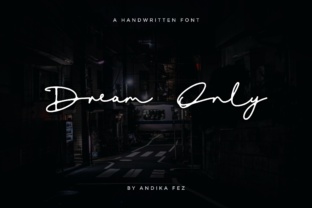
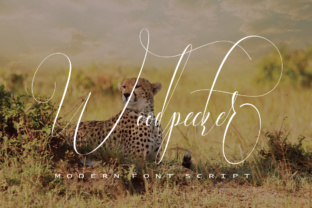
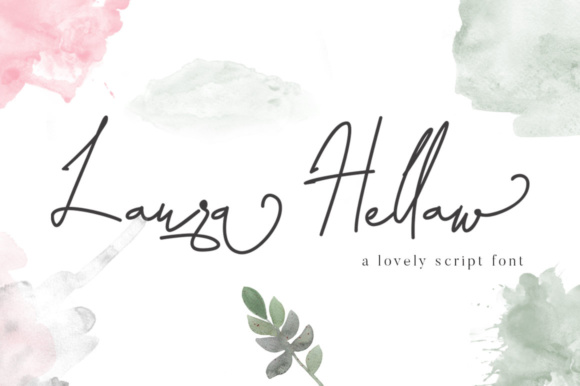
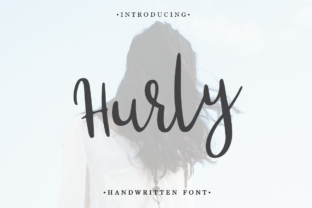
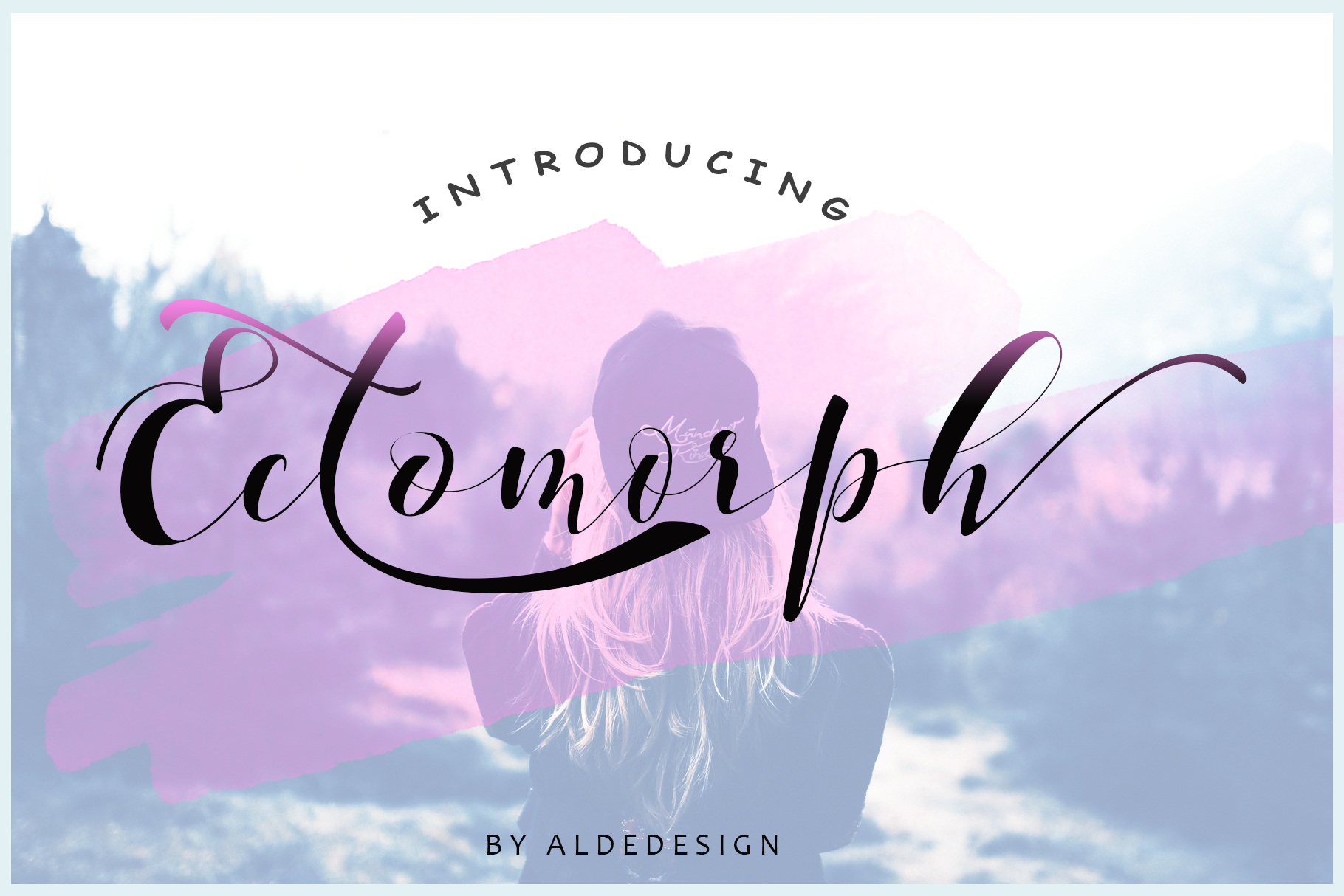
Ectomorph is a handcrafted script font that captures the essence of handwritten calligraphy while maintaining the precision and flexibility needed for professional use. Unlike rigid typefaces that feel mechanical, Ectomorph brings a sense of warmth and authenticity to any project. Its fluid lines and organic structure make it perfect for designs that aim to convey a personal or artistic touch.
The font features a variety of stylistic elements, including swashes—ornamental flourishes that add visual interest—and titling alternatives that allow for more dramatic or decorative presentations. These features enable designers to tailor their typography to specific contexts, whether they’re creating a logo, a headline, or a social media post.
Moreover, Ectomorph supports multiple languages, making it a valuable asset for global brands and international projects. This multilingual capability ensures that the font remains relevant across different markets and audiences, further enhancing its appeal in a connected world.
Ectomorph in the Broader Design Landscape
The rise of Ectomorph reflects broader shifts in the design industry toward more personalized and expressive typography. As businesses and creators seek to differentiate themselves in a crowded market, the demand for unique, high-quality fonts has never been higher. Ectomorph meets this need by offering a distinctive alternative to standard serif and sans-serif typefaces.
Today’s design trends emphasize authenticity and human connection. In an era dominated by digital interfaces and mass-produced content, fonts like Ectomorph provide a refreshing contrast. They help brands stand out by introducing a sense of individuality and craftsmanship that resonates with modern consumers.
This trend is not limited to graphic design. In the realm of web development and user experience (UX), typography plays a key role in shaping how users interact with digital content. Ectomorph’s readability and visual appeal make it suitable for web-based projects, where the right font can enhance both aesthetics and usability.
Why Ectomorph Is Gaining Attention
Designers and marketers are increasingly turning to Ectomorph because it offers a balance between creativity and functionality. It’s not just about looking good—it’s about working well in real-world scenarios. Whether you’re designing a logo, crafting a brand identity, or creating content for social media, Ectomorph provides the flexibility and style needed to make an impact.
One reason for its popularity is its adaptability. The font’s stylistic alternates allow for subtle variations that can be used to create visual hierarchy and add depth to text. For instance, a designer might use different alternates for headings versus body text, ensuring that each element maintains its own character while contributing to a cohesive overall look.
Additionally, Ectomorph’s swash options offer a way to add sophistication without being overly ornate. These flourishes can be used to draw attention to key phrases or to give a sense of movement and energy to a design. This makes it particularly useful for projects that require a mix of elegance and informality, such as wedding invitations, fashion branding, or lifestyle content.
Meeting Changing Needs and Preferences
The growing interest in Ectomorph also reflects shifting expectations in the design and marketing industries. Today’s audiences are more discerning and value authenticity over generic solutions. Brands that incorporate unique typography like Ectomorph can better connect with their target audience and establish a stronger emotional presence.
For entrepreneurs and freelancers, Ectomorph represents a cost-effective way to elevate their work without compromising on quality. Unlike custom-designed fonts, which can be expensive and time-consuming, Ectomorph offers a premium look at a fraction of the cost. This makes it an attractive option for small businesses and independent creators who want to maintain a professional image without breaking the bank.
Furthermore, as remote work and digital collaboration become more common, the need for versatile and accessible tools has increased. Ectomorph’s multilingual support and ease of use make it a practical choice for teams working across different regions and languages. It allows for seamless integration into various workflows, ensuring that the font remains a reliable and efficient resource.
Practical Applications of Ectomorph
There are numerous ways to incorporate Ectomorph into your design projects. One common application is in branding, where the font can be used to create a memorable and visually appealing logo. Its natural, flowing style gives a sense of creativity and approachability, which can be especially beneficial for startups, creative agencies, and lifestyle brands.
In the realm of marketing, Ectomorph is ideal for creating eye-catching headlines and promotional materials. Its stylish alternates and swashes can be used to highlight key messages or to add a touch of elegance to advertisements, banners, and social media posts. This makes it a valuable asset for campaigns that aim to stand out in a competitive landscape.
For content creators, Ectomorph can enhance the visual appeal of blogs, newsletters, and other written material. By using the font in headers, captions, or quotes, writers can add a personal and artistic flair to their work. This not only improves the reading experience but also helps to establish a unique voice and style.
Looking Ahead: The Future of Typography
As technology continues to advance, the role of typography in design will only become more significant. With the rise of AI-driven design tools and automated content creation, the need for thoughtful, high-quality fonts like Ectomorph will remain critical. These fonts help maintain the human element in design, ensuring that even in a digital world, there is still room for creativity and expression.
Moreover, as sustainability and ethical design practices gain traction, the demand for fonts that are both functional and aesthetically pleasing will continue to grow. Ectomorph’s versatility and adaptability position it well for future developments in the design industry, where the focus will likely shift toward more meaningful and impactful visual communication.
Ultimately, Ectomorph is more than just a font—it’s a reflection of current design values and a tool for the future. By embracing its unique qualities, designers, marketers, and creators can stay ahead of the curve and produce work that is both innovative and enduring.