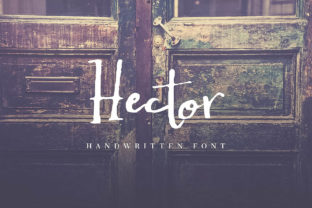
Hector: A Whimsical Handwritten Font for Creative Projects
Hector is a unique handwritten font that offers a charming and personal touch to any design project. With its flowing, natural style, Hector mimics the look of hand-lettered text, making it an ideal choice for those who want to add a friendly and approachable feel to their work. Whether you're designing a logo, creating marketing materials, or working on a personal project, Hector can help you achieve a distinctive aesthetic with ease.
Designed with versatility in mind, Hector is suitable for a wide range of applications. Its legibility and character make it a popular choice among designers, artists, and content creators looking for a font that feels both authentic and expressive. The font's structure allows for easy readability while maintaining a sense of whimsy, which makes it particularly well-suited for projects that aim to convey warmth and creativity.
Why Consider Hector?
One of the main reasons someone might be interested in Hector is its ability to transform digital designs into something that feels handcrafted. For individuals or businesses looking to create a more personal connection with their audience, Hector can serve as a powerful visual tool. It adds a human element that can make branding or messaging feel more genuine and relatable.
Additionally, Hector is ideal for those who may not have strong typography skills but still want to produce high-quality, visually appealing content. By using this font, users can quickly achieve a professional-looking result without the need for extensive design experience. This accessibility makes it a valuable asset for small businesses, independent creators, and even students working on school projects.
Benefits of Using Hector
There are several advantages to incorporating Hector into your design workflow. One of the most notable benefits is its ease of use. Unlike some more complex fonts, Hector is straightforward to implement and works well across various platforms and software. This simplicity ensures that users can focus on the creative aspects of their projects rather than getting bogged down by technical challenges.
Another advantage is the font's adaptability. Hector can be used in both digital and print formats, making it a flexible choice for different types of projects. Whether you're designing a website, a social media post, or a printed flyer, Hector maintains its charm and clarity, ensuring consistent visual appeal across mediums.
Furthermore, Hector's unique style can help differentiate your work from others. In a world where many designs rely on standard typefaces, using a font like Hector can set your project apart and make it more memorable. This distinctiveness can be especially beneficial for branding efforts, where standing out is crucial.
Tradeoffs and Considerations
While Hector offers many benefits, it's important to consider its limitations. One potential drawback is that its casual, handwritten appearance may not be appropriate for all types of projects. For instance, formal documents, legal texts, or highly professional presentations may require a more traditional and structured font to maintain a sense of seriousness and credibility.
Another consideration is the font's readability in smaller sizes. While Hector looks great in larger formats, such as headlines or banners, it may become less legible when used in body text. This means that users should be mindful of how they apply the font, ensuring that it remains readable and effective in the intended context.
Additionally, because Hector is a stylized font, it may not pair well with every other typeface. Designers should take care to choose complementary fonts that enhance the overall aesthetic without clashing. Testing different combinations can help ensure that the final design is cohesive and visually appealing.
Situations Where Hector Shines
Hector is particularly well-suited for projects that emphasize creativity, personality, and a friendly tone. For example, it works exceptionally well for branding in industries such as fashion, food, and lifestyle, where a warm and approachable image is essential. Social media content, such as posts, stories, or captions, can also benefit from Hector's expressive style, helping to capture attention and convey emotion effectively.
Event invitations, greeting cards, and promotional materials often benefit from the personal touch that Hector provides. These types of projects typically aim to create an emotional connection with the audience, and the font's organic feel can contribute to that goal. Additionally, educational or children's content may find Hector useful for adding a playful and engaging visual element.
When Alternatives May Be Better
In some cases, alternative fonts may be more appropriate depending on the specific needs of a project. For instance, if the goal is to convey professionalism or authority, a serif or sans-serif font may be a better choice. These fonts tend to be more neutral and versatile, making them suitable for a broader range of applications.
For projects that require high levels of legibility, such as signage or long-form text, a more conventional font may be preferable. While Hector is visually appealing, its informal nature may not always be the best fit for these scenarios. Designers should assess the primary purpose of their work and choose a font that aligns with that objective.
Moreover, if a project requires a more modern or minimalist aesthetic, other fonts may offer a cleaner and more streamlined look. It's important to explore different options and select the one that best supports the overall vision and message of the design.
Decision-Making Insights
When deciding whether to use Hector, it's helpful to evaluate the goals of the project and the desired tone. If the objective is to create a warm, expressive, or personal feel, Hector can be an excellent choice. However, if the project demands a more formal or structured appearance, other fonts may be more suitable.
Users should also consider the context in which the font will be used. For example, a website that aims to build trust and credibility may benefit from a more traditional typeface, while a creative portfolio or social media page could thrive with Hector's unique style. Testing the font in different settings can provide valuable insights into its effectiveness.
Finally, it's important to remember that no single font is perfect for every situation. The key is to understand the strengths and limitations of Hector and use it in a way that enhances the overall design. By making informed choices, users can maximize the impact of their work and achieve the desired results.