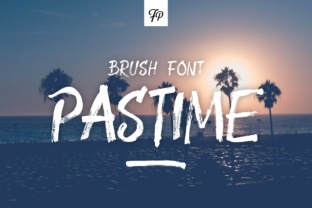
Pastime: A Handmade Font with Creative Flexibility
Pastime is more than just a font—it's a unique expression of creativity, crafted by hand with acrylic paint on artist's paper. This distinctive approach gives the typeface a warm, organic feel that stands out in a digital world dominated by clean, uniform designs. Whether you're a designer, marketer, educator, or hobbyist, Pastime offers a fresh and versatile option for adding personality to your projects.
What Makes Pastime Unique
One of the standout features of Pastime is its dual version system. For each letter in the alphabet, there are two distinct glyph options. This means you can mix and match characters to create a custom look that fits your specific needs. It’s a powerful tool for designers who want to add visual interest without sacrificing readability.
In addition to the two versions of each letter, Pastime includes all the standard glyphs you’d expect from a complete font. That means numbers, punctuation, symbols, and special characters are all available, making it suitable for a wide range of applications—from headlines and logos to body text and signage.
Strengths and Notable Qualities
Pastime’s handmade aesthetic brings a sense of authenticity and warmth that many digital fonts lack. The acrylic paint strokes add texture and depth, giving each character a subtle, one-of-a-kind quality. This makes it ideal for projects that aim to convey a personal touch or a creative vibe.
The font’s versatility is another major strength. Its dual glyph system allows for endless combinations, enabling users to tailor the typography to their specific style or brand identity. Whether you're working on a minimalist design or a bold, expressive piece, Pastime adapts well to different contexts.
Practical Applications of Pastime
For personal use, Pastime can elevate journaling, handmade cards, or DIY projects. Its organic look pairs well with other handmade elements, creating a cohesive and thoughtful design. For example, a wedding invitation using Pastime could add a unique, personalized touch that stands out from mass-produced alternatives.
In a professional setting, Pastime can be used for branding, packaging, or marketing materials. Its flexibility allows businesses to maintain a consistent visual identity while still standing out from competitors. A boutique coffee shop might use Pastime for its logo and menu designs, reinforcing a craft-focused, community-oriented brand image.
Educators and students can also benefit from Pastime. In classroom settings, it can make lesson plans, worksheets, or presentations more engaging. Its readable yet distinctive style helps capture attention without being distracting. For instance, a teacher might use Pastime for a project on art history to visually connect with the subject matter.
Real-World Use Cases
Consider a freelance graphic designer working on a client’s branding project. They might choose Pastime for a logo that needs to feel both professional and creative. By selecting different glyphs for key letters, they can create a custom look that reflects the client’s values and personality.
A small business owner launching an online store could use Pastime for product labels or packaging. The font’s handmade quality aligns with the trend of supporting local and artisanal brands, helping to build trust and connection with customers.
Bloggers and content creators often use typography to enhance their visual storytelling. Pastime can add a unique flair to headings or captions, making content more visually appealing and memorable. For example, a food blogger might use it for recipe titles to evoke a sense of craftsmanship and care.
Benefits of Using Pastime
Usability is a key advantage of Pastime. Its dual glyph system provides flexibility without complicating the design process. Users can experiment with different combinations to find the perfect balance between creativity and clarity.
From a productivity standpoint, Pastime helps streamline the design workflow. Instead of searching for multiple fonts to achieve a desired effect, users can rely on a single, adaptable font. This saves time and reduces the need for additional resources.
Appearance-wise, Pastime adds a layer of visual interest that can enhance user engagement. Its handmade qualities make it more relatable and human, which can resonate with audiences looking for authenticity in digital content.
Considerations When Using Pastime
When selecting a font like Pastime, it’s important to consider the context in which it will be used. While its unique style works well for creative or personal projects, it may not be the best choice for highly formal or technical documents where clarity and neutrality are priorities.
Users should also test Pastime across different mediums to ensure it maintains its intended appearance. Print and digital formats can affect how a font looks, so it’s wise to review samples in both environments before finalizing a design.
Finally, accessibility is a factor to keep in mind. While Pastime is readable, it’s always a good idea to pair it with a more standard font for body text in long-form content. This ensures that the overall design remains legible and easy to consume.
Conclusion
Pastime is a font that bridges the gap between digital design and traditional artistry. Its handmade origins, dual glyph system, and comprehensive character set make it a valuable tool for anyone looking to add a personal and creative touch to their work. Whether you're designing for a brand, a classroom, or a personal project, Pastime offers the flexibility and style needed to stand out in a crowded visual landscape.