Positively: A Whimsical Hand-Written Script Font
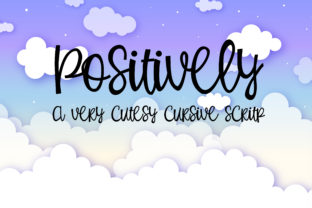
Positively is a hand-written cursive script font that exudes a whimsical and playful aesthetic. Its design features a relaxed, casual style with no real descenders, making it ideal for projects that require a light-hearted and approachable look. This font is particularly well-suited for creative applications where a personal touch is desired.
What Makes Positively Unique?
Unlike many other script fonts that may have more pronounced flourishes or complex shapes, Positively maintains a clean and simple structure. The lack of descenders gives it a modern and minimal feel, which can be especially appealing in designs that aim for clarity and readability. Its hand-written appearance adds a sense of authenticity and warmth, making it a popular choice for branding, packaging, and digital media.
Reasons to Consider Positively
There are several reasons why someone might choose to use Positively in their design work. First, its unique visual style can help differentiate a project from others that use more traditional or standard fonts. For designers looking to create a distinct identity, Positively offers a fresh and original option. Additionally, the font's casual nature makes it suitable for a wide range of applications, including social media graphics, marketing materials, and website headers.
Another advantage of Positively is its versatility. While it may not be the best choice for body text due to its stylized form, it can be highly effective when used as a headline or accent font. Its ability to convey a sense of playfulness and creativity makes it an excellent fit for brands that want to communicate a friendly and approachable image.
Benefits of Using Positively
One of the key benefits of Positively is its ability to add personality to a design. In a world where many fonts are designed to be neutral and functional, Positively stands out by offering a more expressive and individualized look. This can be especially valuable in industries such as fashion, lifestyle, and entertainment, where visual appeal plays a significant role.
Additionally, the font's simplicity makes it easy to pair with other typefaces. Designers can combine it with more structured or geometric fonts to create a balanced and visually interesting layout. This flexibility allows for greater creative freedom while maintaining a cohesive design language.
Tradeoffs and Considerations
While Positively has many strengths, there are also some tradeoffs to consider. One of the main limitations is its suitability for long-form text. Due to its stylized and flowing nature, it may not be the best choice for body copy, as it can reduce readability. In such cases, it's advisable to use a more conventional font for the main content and reserve Positively for headings or decorative elements.
Another consideration is the availability of the font. Depending on the platform or software being used, access to Positively may be limited. Users should ensure that the font is available in their preferred design tools before committing to its use. Additionally, licensing terms should be reviewed to confirm that it can be used for the intended purpose, whether personal or commercial.
Situations Where Positively Shines
Positively is particularly well-suited for projects that require a casual and informal tone. For example, it can be an excellent choice for branding a boutique, a lifestyle blog, or a children's product line. Its whimsical appearance can help create a sense of fun and creativity, which can resonate with target audiences looking for something unique and engaging.
In digital design, Positively can be used effectively in web headers, app icons, or social media posts. Its hand-written style can make these elements feel more personal and authentic, which can enhance user engagement. It's also a good option for print materials such as flyers, posters, and business cards, where a distinctive visual identity is important.
When Alternatives May Be Better
There are situations where alternatives to Positively may be more appropriate. For instance, if the goal is to create a professional or formal design, a more structured font may be a better choice. Fonts with clear letterforms and consistent spacing tend to be more suitable for corporate branding, legal documents, or academic publications.
Additionally, if the design requires high legibility across different sizes and mediums, a sans-serif or serif font may be more practical. These types of fonts are often optimized for readability, making them a safer choice for body text or information-heavy layouts. Designers should evaluate the specific needs of their project before deciding on the most appropriate font.
Practical Decision-Making Insights
When considering whether to use Positively, it's important to align the font's characteristics with the overall goals of the design. Ask yourself whether the whimsical and casual nature of the font supports the message and audience of the project. If the brand or message requires a more serious or traditional tone, then Positively may not be the best fit.
Testing the font in different contexts can also provide valuable insights. Experimenting with how it looks in various sizes, colors, and backgrounds can help determine its effectiveness in the intended application. Additionally, seeking feedback from others can offer a fresh perspective on how the font is perceived and whether it meets the desired objectives.
Ultimately, the decision to use Positively should be based on a thoughtful evaluation of its strengths and limitations. By understanding how it fits into the broader design strategy, users can make informed choices that enhance the visual appeal and communication of their work.