Rathbone: A Bold, Versatile Font for Modern Design
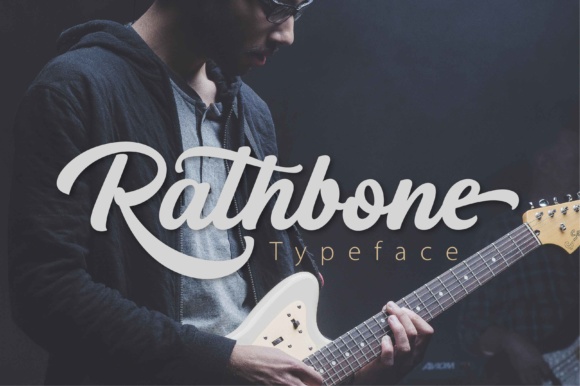
In a world where visual identity plays a critical role in communication, the right font can make all the difference. Rathbone is a striking, swashy typeface that stands out with its boldness and elegance. Designed for headlines, it offers a unique blend of sophistication and energy that can elevate any project. Whether you're crafting a brand logo, designing a website, or creating a marketing campaign, Rathbone provides a versatile foundation that adapts to various styles and purposes.
What makes Rathbone particularly appealing is its ability to bridge different design aesthetics. It can seamlessly transition from edgy, alternative looks to soft, romantic expressions. This adaptability makes it a valuable tool for designers, marketers, and creatives who want to maintain a cohesive visual language across multiple platforms and audiences.
The Rise of Expressive Typography
Typography has evolved beyond mere readability. Today’s design trends emphasize personality, emotion, and storytelling. Fonts like Rathbone reflect this shift by offering more than just legibility—they convey mood and style. As businesses and individuals seek to stand out in a crowded digital space, expressive typography has become a key element in building brand identity.
This trend aligns with how modern audiences engage with content. People are drawn to visuals that feel authentic and dynamic. A well-chosen font can communicate a brand's values, tone, and personality without the need for additional text. Rathbone, with its bold strokes and flowing swashes, embodies this principle by adding a sense of movement and character to any design.
Why Rathbone Fits Modern Needs
Rathbone’s versatility makes it suitable for a wide range of applications. From web headers to print materials, it maintains a strong presence while remaining adaptable. For instance, in a digital marketing campaign, Rathbone can be used to create eye-catching headlines that capture attention and drive engagement. In a more traditional setting, such as a wedding invitation or a boutique logo, it adds a touch of refinement and charm.
Its ability to work in both grungy and romantic contexts means it can cater to diverse creative visions. A designer working on an alternative music album cover might use Rathbone to evoke a sense of rebellion and energy, while a blogger creating a lifestyle website could use it to add a touch of elegance and warmth. This flexibility ensures that Rathbone remains relevant across industries and projects.
Practical Implications for Designers and Businesses
For professionals in the design field, choosing the right font is more than an aesthetic decision—it’s a strategic one. Rathbone offers a balance between uniqueness and usability, making it an excellent choice for those looking to differentiate their work without sacrificing clarity.
Businesses can benefit from using Rathbone in their branding efforts. A strong, memorable font can help establish a brand’s visual identity and improve recognition. For example, a startup launching a new product might use Rathbone in its website header to create a bold, confident first impression. Similarly, a small business owner looking to update their logo could incorporate Rathbone to give their brand a fresh, modern look.
For freelancers and independent creators, Rathbone provides a reliable option for client projects. Its adaptability means it can be used across different mediums, from social media posts to printed materials, ensuring consistency and professionalism in all deliverables.
How to Use Rathbone Effectively
While Rathbone is visually striking, it’s important to use it thoughtfully. Overuse can dilute its impact, so it’s best reserved for key elements like headlines, titles, and logos. When paired with simpler fonts for body text, it creates a balanced and readable layout.
Consider the context of your design when choosing Rathbone. For a high-energy project, such as a sports event flyer, it can add dynamism and excitement. For a more subdued project, like a book cover or a personal blog, it can provide a sense of sophistication and individuality.
Testing the font in different sizes and weights can also help determine its effectiveness. Some designs may benefit from a bolder version of Rathbone, while others may require a lighter variant to maintain readability and harmony.
Trends Shaping Font Choices Today
The increasing emphasis on personalization and authenticity in design has influenced how fonts are selected and used. Audiences are more discerning, seeking content that feels genuine and well-crafted. This shift has led to a greater appreciation for fonts that offer both style and substance—like Rathbone.
Additionally, the rise of digital platforms has changed how people interact with text. On mobile devices, for example, readability is crucial, and fonts must perform well across different screen sizes. Rathbone, with its clear structure and strong visual presence, meets these demands while still delivering a distinctive look.
As remote work and digital collaboration become more common, the need for consistent and effective visual communication has grown. Fonts like Rathbone help ensure that messages are not only seen but also felt, reinforcing the emotional connection between the creator and the audience.
Conclusion: Embracing a Font That Speaks Volumes
Rathbone is more than just a font—it’s a design tool that empowers creators to express themselves with confidence and creativity. Its bold, swashy style offers a unique voice that can enhance a wide range of projects. Whether you’re designing for a business, a personal brand, or a creative endeavor, Rathbone provides a versatile and impactful solution.
By understanding the evolving needs of modern design and the importance of visual storytelling, professionals can make informed choices about the fonts they use. Rathbone stands out as a font that not only meets current trends but also offers long-term value through its adaptability and strength. For those looking to make a lasting impression, Rathbone is a powerful ally in the world of typography.