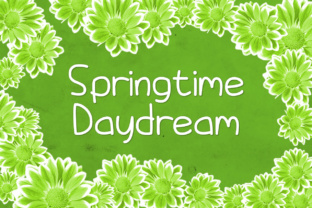
Springtime Daydream: A Handwritten Script for Creative Expression
Springtime Daydream is a graceful handwritten script font that captures the essence of spring and summer. With its flowing lines and elegant curves, it brings a sense of warmth and whimsy to any design. Whether you're creating a greeting card, a social media post, or a personal project, this font adds a touch of charm and individuality.
For many, fonts are more than just text—they're a form of expression. Springtime Daydream offers a unique way to convey emotion, creativity, and personality through typography. Its soft, organic style makes it ideal for projects that aim to feel personal, authentic, and inviting.
Why Different Audiences Care About Springtime Daydream
While the appeal of a font may seem universal, different users approach it with distinct goals and needs. For some, it's about aesthetics; for others, it's about functionality or commercial value. Let's explore how various audiences might engage with Springtime Daydream.
Beginners in design often look for fonts that are easy to use and visually appealing. Springtime Daydream’s legibility and beauty make it a great choice for those learning the basics of typography. It can help them create work that feels professional without requiring advanced skills.
Experienced designers, on the other hand, may appreciate the font’s versatility. It works well in both digital and print formats, and its style allows for creative experimentation. Professionals who need to maintain a consistent brand identity might find it useful for adding a human touch to their designs.
Entrepreneurs and small business owners often seek tools that enhance their brand's visual appeal. Springtime Daydream can be used for logos, packaging, or marketing materials, helping businesses stand out in a competitive market. Its handwritten quality gives a personal, approachable feel that resonates with customers.
Bloggers and content creators may use the font to add a unique flair to their posts or social media graphics. Whether it's for a seasonal article or a motivational quote, the font can elevate the visual storytelling aspect of their work.
Educators and students might find value in using Springtime Daydream for presentations, worksheets, or classroom materials. Its artistic style can make learning more engaging, especially when teaching subjects like language arts or art history.
Hobbyists and DIY enthusiasts often enjoy experimenting with fonts to personalize their projects. From handmade cards to custom stationery, Springtime Daydream provides an accessible way to express creativity without the need for complex design software.
Key Priorities When Evaluating Springtime Daydream
When considering whether to use Springtime Daydream, users may prioritize different factors based on their goals. Here are some common considerations:
- Ease of Use: Is the font easy to install and integrate into existing workflows?
- Cost: Is it available for free, or does it require a purchase? What are the licensing terms?
- Quality: How does it look at different sizes and in various contexts?
- Flexibility: Does it support multiple languages or special characters?
- Reliability: Is it compatible with major design platforms and file formats?
- Creativity: Does it inspire new ideas or enhance the visual impact of a project?
For example, a beginner might focus on ease of use and cost, while a professional designer may prioritize quality and flexibility. A small business owner could care more about reliability and commercial use rights.
Practical Examples for Different Users
Let’s look at how specific users might apply Springtime Daydream in real-world scenarios:
A greeting card designer might use the font to create personalized messages that feel heartfelt and unique. The handwritten style adds a sense of authenticity that mass-produced fonts can’t match.
An entrepreneur launching a new line of eco-friendly products could incorporate the font into packaging design. Its natural aesthetic aligns with sustainability themes, reinforcing the brand’s message.
A teacher preparing a lesson plan on poetry might use the font to create a visually appealing worksheet. The style can make the material more engaging for students, especially younger learners.
A blogger writing about springtime traditions might feature the font in a social media graphic. It helps draw attention and creates a cohesive visual theme across their content.
A hobbyist making handmade invitations for a garden party could use the font to add a personal touch. Its soft, flowing lines complement the theme and enhance the overall design.
Is Springtime Daydream Right for You?
Whether Springtime Daydream suits your needs depends on your goals, skill level, and the type of projects you work on. If you're looking for a font that blends beauty with practicality, it’s worth exploring.
If you're focused on creating something that feels personal, expressive, or emotionally resonant, this font could be a valuable addition to your toolkit. However, if your work requires a more rigid or technical style, you may prefer a different typeface.
Take some time to experiment with the font in different contexts. Try it on a sample project, test it in various sizes, and see how it interacts with other elements. This will help you determine whether it aligns with your creative vision and workflow.
Ultimately, Springtime Daydream is more than just a font—it's a tool for storytelling, self-expression, and connection. Whether you're a seasoned designer or just starting out, it offers a way to bring a little bit of spring into your work.