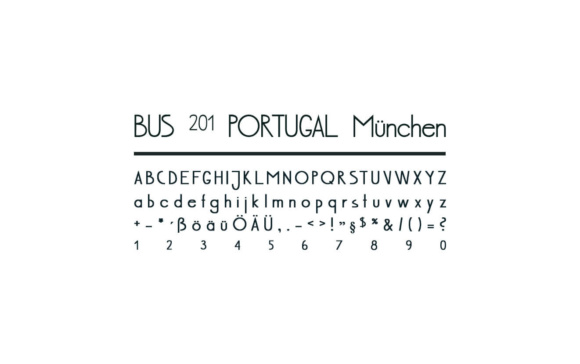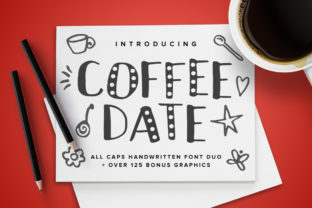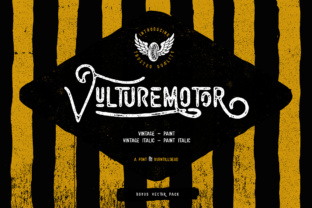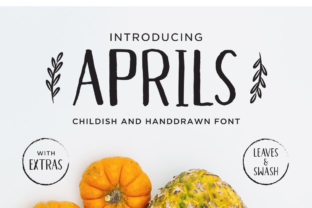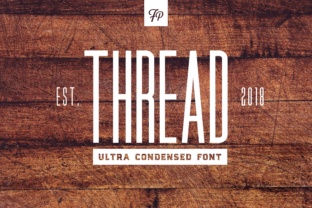
Thread: A Condensed Display Font for Clean, Exciting Headers
Thread is a sleek, condensed display font that brings a modern edge to any design project. Its clean lines and bold presence make it ideal for headers that need to stand out without overwhelming the reader. Whether you're designing a website, branding a product, or creating marketing materials, Thread offers a versatile solution that balances style with readability.
For designers, marketers, and content creators, Thread can be a powerful tool when used correctly. However, many people overlook key details that can impact its effectiveness. Understanding how to use Thread properly can help you avoid common pitfalls and ensure your designs look professional and polished.
What Is Thread and Why Does It Matter?
Thread is a typeface designed for visual impact. Its condensed structure allows it to fit more text into less space, making it perfect for headlines, logos, and other elements where space is limited. The font’s sharp angles and minimal weight give it a contemporary feel, which appeals to audiences looking for something fresh and dynamic.
Despite its appeal, some users may not realize that Thread is best suited for specific applications. Using it in body text, for example, can lead to poor readability. This is because condensed fonts often sacrifice legibility for visual interest, especially at smaller sizes.
Mistake 1: Using Thread in Body Text
A common mistake is applying Thread to large blocks of text. While the font looks great in headers, it can become difficult to read when used in paragraphs. This is due to its narrow character spacing and thin strokes, which may not render clearly on screens or in print.
If you're working on a website or document that requires a lot of text, consider using a more traditional serif or sans-serif font for the body. Reserve Thread for headings, titles, or short phrases where its visual impact will shine without compromising readability.
Mistake 2: Ignoring Font Pairing
Another oversight is not considering how Thread pairs with other fonts. A well-chosen font combination can enhance the overall design, while a mismatched pair can create visual clutter or confusion.
For example, pairing Thread with a heavy, ornate font might clash, while combining it with a simple, clean font can create a balanced, modern look. Always test different combinations to see what works best for your project.
Better Approach: Use Thread as a Highlight
Instead of using Thread for long passages, try using it as a highlight or accent. This could be a headline, a call-to-action button, or a subheading. By limiting its use, you maintain its visual strength while keeping the rest of your design cohesive.
For instance, if you're designing a landing page, use Thread for the main title and pair it with a standard sans-serif font for the supporting text. This creates a clear hierarchy and keeps the focus on the most important message.
Mistake 3: Not Checking Licensing Terms
Many users download fonts without fully understanding the licensing terms. This can lead to legal issues, especially if the font is used in commercial projects without proper permissions.
Thread is available from various foundries, but each source may have different licensing agreements. Before downloading or purchasing, always review the terms to ensure you're allowed to use the font in your intended context.
Practical Tip: Verify Licensing Before Use
If you're planning to use Thread in a business or public-facing project, check the license agreement. Some fonts require a separate commercial license, while others are free for personal use only. Failing to comply with these rules can result in fines or legal action.
Always visit the official website or trusted font platforms to access accurate licensing information. This ensures you’re using the font responsibly and avoiding potential complications down the line.
Mistake 4: Overlooking Accessibility Considerations
Accessibility is an essential part of good design. Unfortunately, some users may not consider how Thread affects accessibility, particularly for readers with visual impairments.
Condensed fonts like Thread can be harder to read for people with dyslexia or low vision. If your audience includes such individuals, it's important to provide alternative text or offer a more readable font option.
Better Choice: Prioritize Inclusivity
When designing for a broad audience, consider adding accessibility features such as larger text sizes, high contrast, or alternative font options. This ensures that your content is accessible to as many people as possible.
For example, if you're using Thread in a header, make sure the surrounding text is easy to read and that there's sufficient contrast between the font and background. This improves usability and enhances the overall user experience.
Final Thoughts: Make Informed Choices
Thread is a beautiful and effective font when used appropriately. However, its success depends on how well it’s integrated into your design. By avoiding common mistakes and focusing on practical application, you can maximize its impact while maintaining clarity and professionalism.
Before finalizing your design, take a moment to evaluate how Thread fits into the overall layout. Check for readability, compatibility, and licensing compliance. These small steps can make a big difference in the quality and effectiveness of your work.